August 6, 2026
Why Do Windows Look Blown Out in Photos—and How Can You Fix It?
Either you see the room and the window as white, or you see the view and the room as black. It's not a matter of which camera is better—it's a physical limitation, and there is a solution.
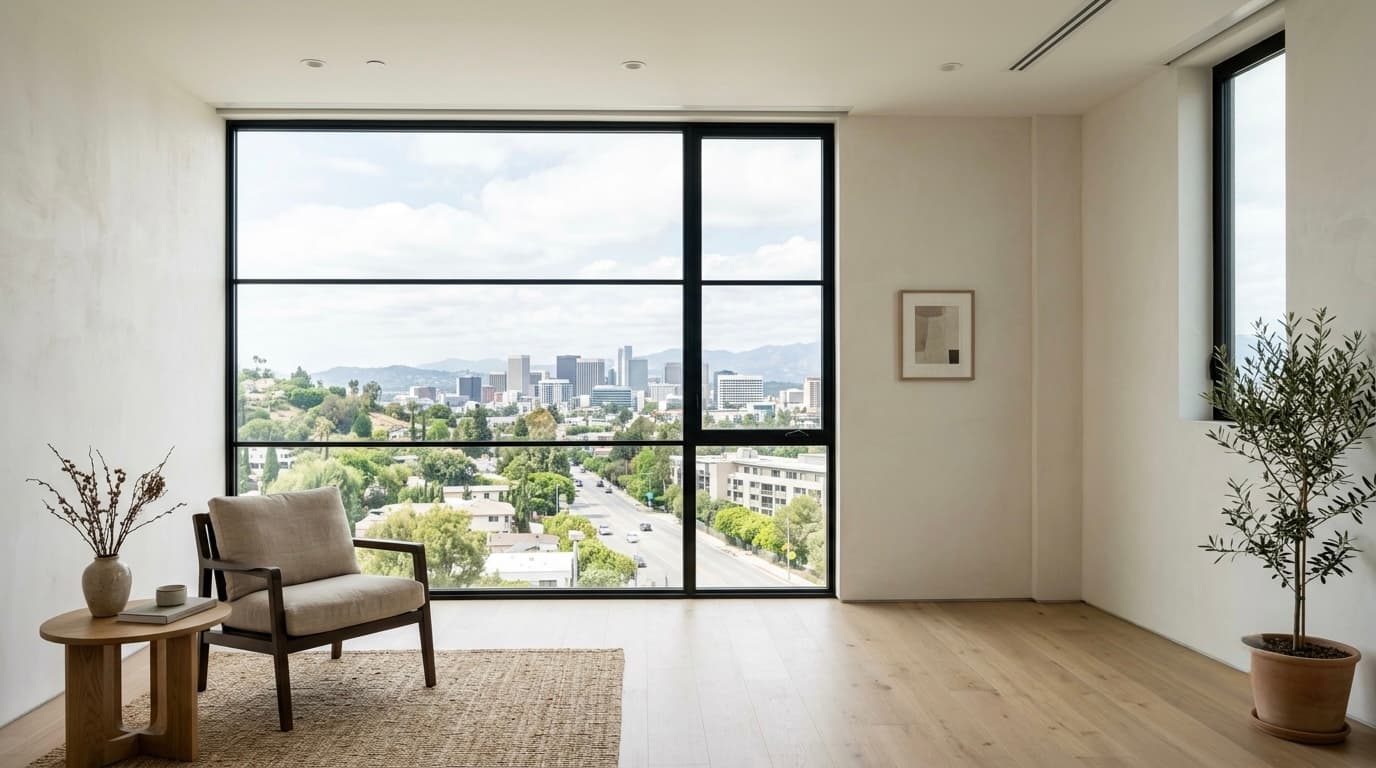
You took a photo of a room with a large window using your phone. In the photo, either the window came out completely white, or the room came out almost completely dark. This happens almost every time, and it's not the phone's fault.
The problem is range, not quality
Your eye sees the room and the view at the same time because it’s constantly adjusting. A camera’s sensor cannot do this. It makes a single decision for each image: either expose for the room, in which case the window—which is several times brighter—appears white; or expose for the window, in which case the room appears black.
The difference between a shaded room and a window on a sunny day is greater than what a single sensor can capture in a single exposure. This is a physical limitation, not a shortcoming of the equipment.
What Really Solves the Problem
Take the same shot with several different exposures: one for the room, one for the window, and usually a few in between. Then combine them into a single image that takes the best part from each exposure.
It's called HDR, and that's why real estate photography is done with a tripod: so that the three exposures capture exactly the same frame, without moving even a millimeter.
Why Does This Matter for the Ad?
A burnt-out window tells the buyer there's nothing to see outside. He doesn't think, "The photo didn't turn out"—he thinks there's no view.
And that's especially a shame when there's a view. Many apartments are sold because of the view from the window, and that's exactly what gets lost first in an amateur photo.
Things You Can Do Even Without Equipment
If you're taking the photo yourself: Open the curtains, turn on all the lights in the room, and take the photo at a time when the sun isn't shining directly through the window. This won't solve the problem, but it will reduce the contrast—and sometimes that's enough.